Britecharts 3.0 - Rebuilding a Charting Library
Executive summary
Background
I created Britecharts at Eventbrite in 2015 and open-sourced it two years later. By 2026, it still had 3.7K GitHub stars and around 37K monthly npm downloads. People were still building with it, but its last release was from 2022, and I was its only remaining maintainer.
Version 3 had been sitting half-finished for years. I had started it with good intentions, then life (and kids) happened. It became a recurring item on my own TODO list.
In September 2026 the tests were passing, but the repository could no longer run its own scripts. Node, package management, and the toolchain were out of date. I set a goal of finishing version 3 and bring it up to a high-quality JavaScript library standards.
Role
I owned the whole thing: planning, architecture, code review, publishing, and the launch. I used Claude Code to implement much of the work under plans, repository-specific skills, and review gates I designed. I reviewed every pull request before it merged.
Interactive Visual Plans
I tracked every large piece of work in a visual plan published as an artifact. The plans listed the decisions, the phases, the risks, and the validations that would verify each step. As the work landed, the agent updated the plan with what shipped and where it differed from the original plan.
- Handoff Audit: the release backlog, revised 69 times. It closed 39 items, from npm dist-tags to branch protection.
- React Hooks Migration: converted 12 class components to hooks. React tests grew from 100 to 424, and mutation testing (which injects small bugs into the code) proved the new tests caught real bugs.
- TypeScript Migration: plans for core, wrappers and the whole library. The library now has 236 TypeScript source files and generates its type declarations from them.
- Charts Without d3-selection: a new
render(target, data)API that draws any chart without D3 code. - Britecharts Among Its Peers: a comparison with eight libraries, from Recharts to Highcharts. It defined the product position and led to 41 merged pull requests.
- Discovery Plan: the launch checklist for npm, the README, the docs, and newsletters.
The plans gave the agent and me a shared source of truth, and a handy way to see where to pick up the work and what I was going to review.
Skills and agents
I wrote seven project skills and five review agents that encode the repository's conventions. /audit-changes runs lint, type-check, tests and formatting until they pass. Before each pull request, /quality runs code, architecture and style reviews in parallel. /create-unit-test and /create-story know the three spec styles and the two Storybook styles.
These skills helped the agents to produce code that matched the codebase on the first try. I spent my review time on design decisions, not on style or nitpicks.
I also shipped a user-facing skill inside @britecharts/core, so coding agents can write Britecharts charts correctly. In evaluations, agents passed 22 of 22 checks with the skill and 12 without it.
Loops and workflows
Every change followed the same flow: plan, implement on a branch, run /audit-changes, run /quality, then open a pull request with a conventional commit title. I used loops to watch open pull requests through CI and review until they merged, and to re-check the audit against GitHub and npm. That let several pull requests move forward while I reviewed others.
Results
Between September 5 and November 4, 2026, I shipped Britecharts 3.0 after eight betas:
- 198 pull requests merged into
main, 170 of them co-authored with Claude. - 88K lines added and 70K removed across about 1,000 files.
- Test cases grew 67%, from 954 to 1,589. They run on Vitest, with Playwright tests against packed tarballs in real consumer apps.
- A modern toolchain: pnpm workspaces, Vite builds, ES module packages, Changesets releases, Commitlint, and Dependabot.
- Accessible by default: screen reader names, a hidden data table, keyboard navigation, reduced motion, and a colour-blind-safe palette. Among free libraries, only Britecharts offers the full set.
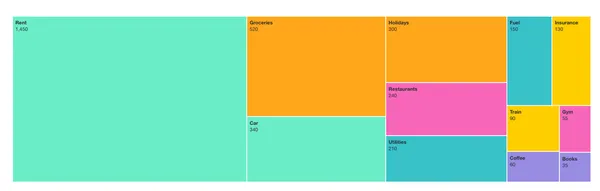
- New features: dark mode through CSS custom properties, SVG export, a treemap chart, 100% stacked charts, and a JSON Schema for every chart.
- Built for agents: llms.txt, the agent skill, a shadcn registry for the React charts, and error messages that suggest the right setting.
This project is a good example of how I build software nowadays. With clear plans, encoded conventions and strict quality gates, one engineer and a team of agents can ship the work of a small team, at a quality bar I would sign.